The claim comes from the National Electrification Administration (NEA). The Daily Tribune reported on 24 October 2026 that the government is targeting 294 remote public schools by the end of the year under its Last Mile School Electrification Program, a joint effort with the Department of Education (DepEd). The solar systems are being installed by 44 electric cooperatives, in places where a normal grid connection isn't practical. That's the one report we found, and it carries no DepEd comment.
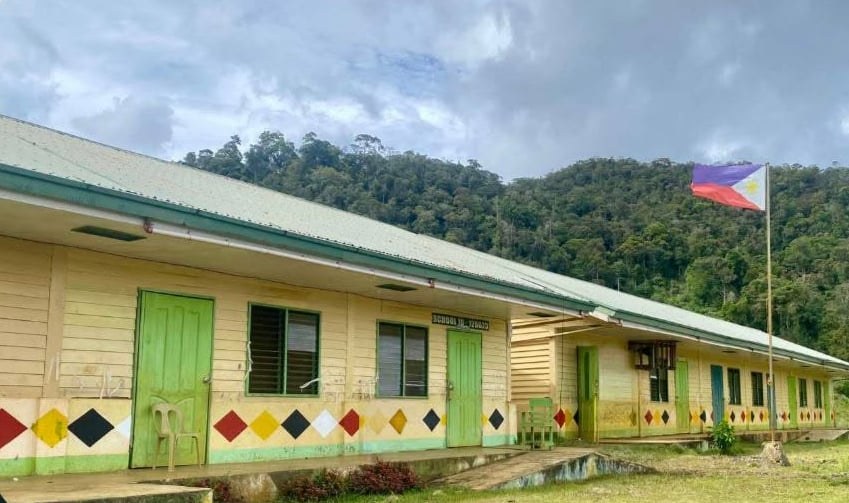
The switch-on itself is real. On 23 October, NEA administrator Antonio Mariano Almeda led the ceremonial energising of Salumayag Tigwahanon Integrated School in San Fernando, Bukidnon, done with DepEd and the First Bukidnon Electric Cooperative (FIBECO). The school has 315 Lumad students across its elementary and high school levels. The system runs classroom lights, fans and what the report calls "essential educational equipment", and the school also got smart TVs.
The count shows the job isn't finished. FIBECO's acting general manager, Jemilo Pelimer, gave the Tribune the co-op's numbers as of 22 October. Of 21 public schools in its area, installation was complete at 20. Only 12 of those had been energised, 8 were waiting to be switched on, and one school still had no installation. So the day before the ceremony, 12 of 21 schools were actually running. It's a bit like a workshop fitting 20 new batteries and only wiring up 12 of them: the hardware's there, but the lights aren't on yet. The sums add up (12 plus 8 is 20), but the figures are the co-op's own.
What nobody has published. The report gives no budget in pesos, no system size in kilowatts, no battery details and no cost per school. Without those, nobody outside the program can say whether a school gets enough power for more than lights, fans and a TV, or how long the batteries cover a cloudy week. Spread across 44 co-ops, 294 schools works out to about seven schools each on average, but we don't know how they're actually split. With roughly ten weeks left in the year after the report ran, the deadline looks tight, and the only progress count we've got is one area's.
What to watch. Look for a published school list, a status count from NEA, and the system size at each site. If the other 43 co-ops are moving at FIBECO's pace, the 294 target is a stretch. If they're ahead of it, it's a good news story for kids who've learned by daylight until now.