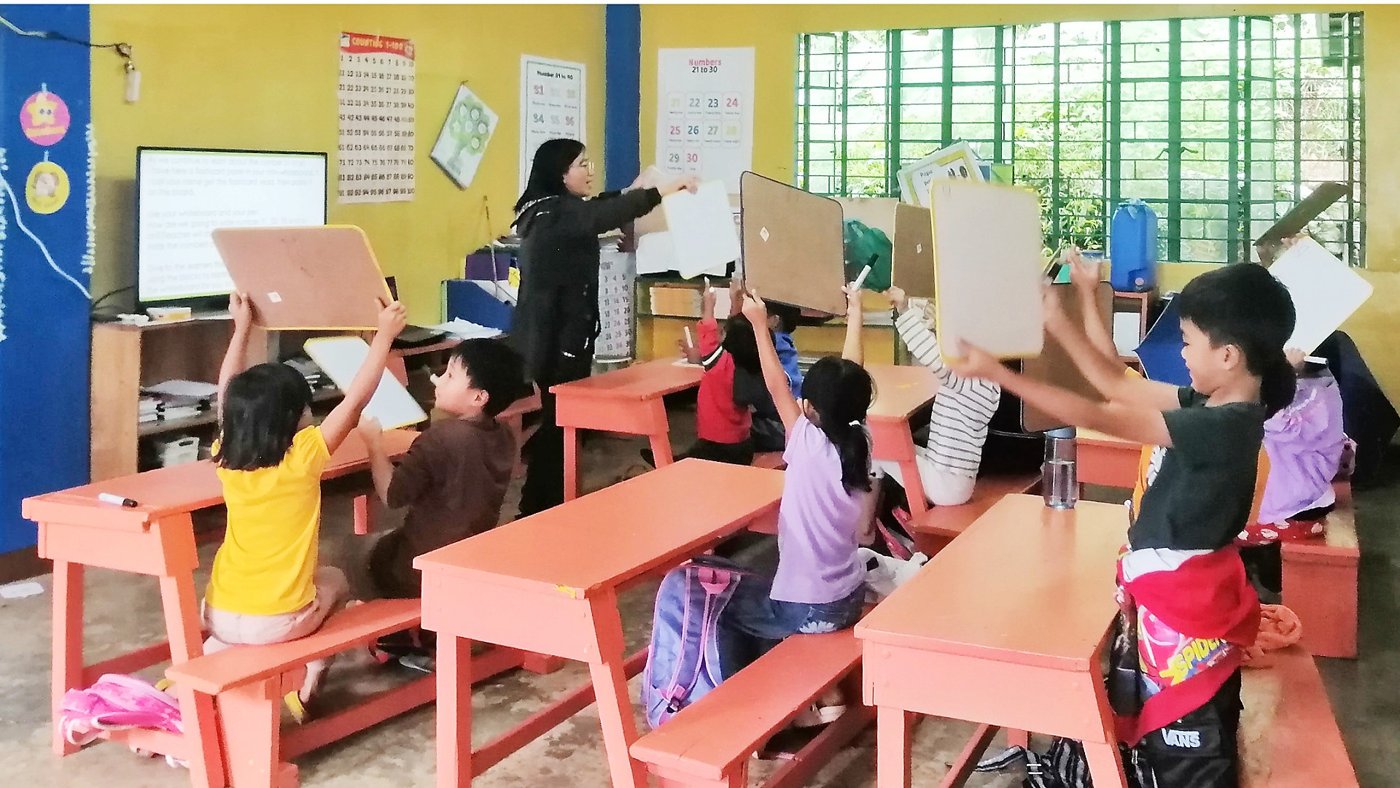
The claim comes from the Aboitiz Foundation. Its AuroraPH program says it has put an 8 kilowatt-peak solar system on Piminggan Elementary School in Tuba, Benguet, about 43 km from Baguio City, so the school's 96 learners can use digital lessons. The Daily Tribune ran the story on 18 October 2026 and MyCebu carried it on 16 October. Both read like the same foundation release, so treat it as one report, not two. The system was installed with Aboitiz Renewables.
What was there before. The school had a single 200-watt panel that barely coped with classroom use, especially on cloudy days. When teachers' laptop batteries ran flat, they went back to printed sheets, blackboards and paper cutouts. Some made the trip of more than two hours to Baguio on weekends to download and print materials, charge devices and send reports to the Department of Education. Going from 200 watts to 8,000 watts is a 40-fold jump on paper. Spread across 96 learners, that's roughly 83 watts of solar each at peak sun, plenty for a few laptops and a screen.
What hasn't been shown. Peak rating isn't the same as power at 7pm or on a wet day in the Cordillera, and that's where batteries matter. Neither report says whether the system has batteries or how big they are. Neither gives a price. The proof offered is the school head, Aileen Adones, saying students are "more engaged, especially when they see lessons come to life". That's a fair observation from a teacher, but it isn't a measured result. We found no figures on outages, hours of use or running costs.
The wider program. AuroraPH says it has energised 100 last-mile schools and reached more than 9,000 learners, aiming for 300 schools. Five other remote Benguet schools were energised in the same round, and a separate report on Bashoy Elementary in Kabayan mentions 5 kWp and satellite internet, though it carries no date. Those totals are the foundation's own figures and we haven't been able to check them independently.
Does it really work? The upgrade is real and it solves an obvious problem, and a kid in a mountain school getting a working screen is a good outcome. It's a corporate foundation project, not a village build, but the same test applies: show us the battery, the bill and a few months of results. Until then it's a solid start with the important numbers missing.