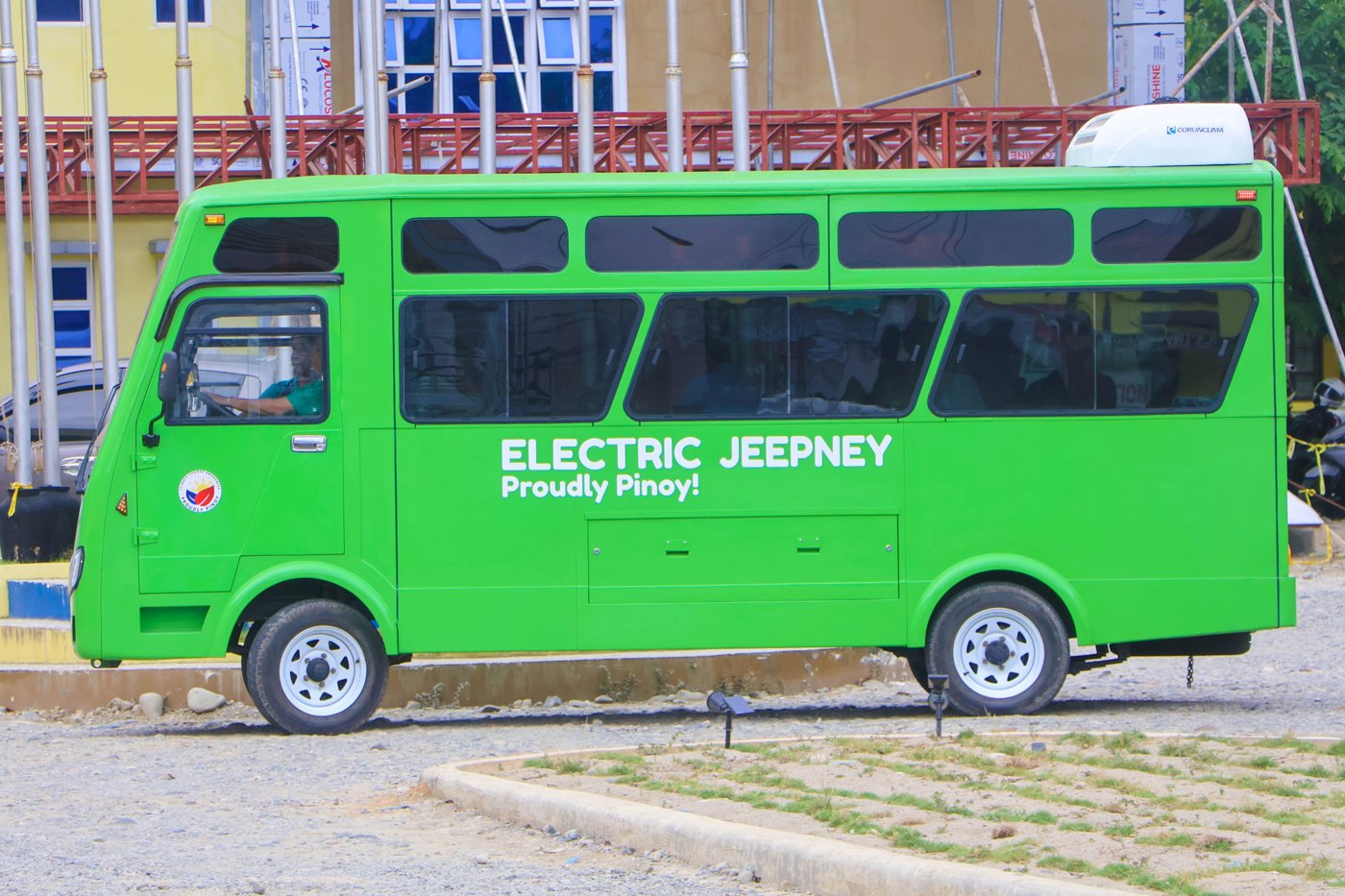
The claim comes from the Department of Science and Technology. On 13 November, Newsbytes.PH reported that the DOST has turned over nine electric vehicles to the municipal government of Luna, Apayao, along with charging gear and a fleet app. The fleet is one 30-passenger e-jeepney, two purpose-built electric tricycles and six ordinary tricycles converted to electric. It's part of the MOVE Apayao project, run with Cagayan State University, Apayao State College and the provincial government. That's the only report of the handover we found, and the agency pages we checked hadn't carried it yet.
The project itself is well documented. The Apayao provincial government posted that the MOA was signed on 25 February, and that a charging station opened at Apayao State College on 18 May, funded with ₱520,000. The Luna municipal site says six local tricycles were assessed for conversion in July. So six converted trikes in November follows on neatly. A March Manila Times report had CSU building two e-trikes and five conversion kits for a ₱1.6 million DOST grant, so the plan has grown a little since, and no report says how it was paid for.
The numbers are DOST's own. The e-jeepney has a 60-kilowatt motor, and DOST's initial testing says it can run up to 300 km and handle the steep Marag Valley roads. No battery size is given in the report we read, and 300 km is a big claim for a 30-seater, so it needs an independent test. The cost line is ₱580 of electricity for 22 trips on the Pudtol to Luna route, against ₱1,000 of petrol for two trips in a conventional vehicle. That works out to about ₱26 a trip against ₱500, but the report itself notes the loads and conditions weren't stated, so it isn't a fair comparison yet.
The small builders' bit looks promising. The converted tricycles are the practical part. DOST says a converted trike nets ₱400 a day on one charge, against ₱200 for a petrol trike burning three litres of fuel. That's a genuine, simple pitch to a driver, and conversions are exactly the kind of local job a trade school could take on. The e-trikes are rated at 5 kilowatts and carry six passengers plus the driver.
What hasn't been shown. We found no published test data, no battery capacities, no conversion price and no record of how the fleet has gone over months of daily running. The photo here is the e-jeepney from May's charging station launch, not the November handover. If DOST publishes the trip logs behind its figures, this one could move to Verified.