The claim going around industry circles this month is that Maryland has notched "a milestone" in its push for grid batteries, with 440 megawatts of storage awarded in the state's first-ever procurement round. That's true as far as it goes. What the press release pushing that line left out is that Maryland's own regulator set out to buy 800 megawatts in this round, and came up 360 megawatts short, about 45 percent under target.
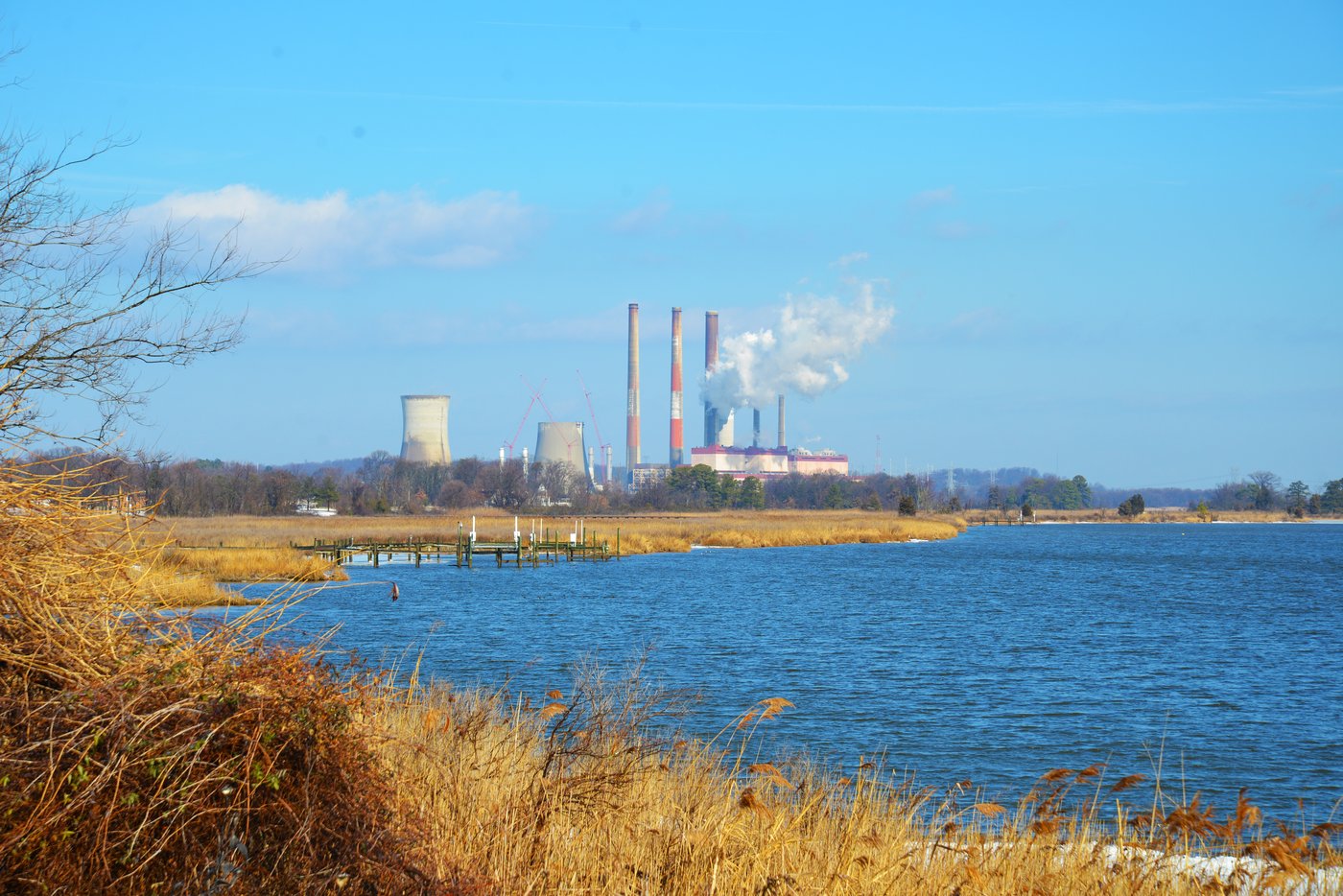
What was actually awarded. On 1 October 2026, the Maryland Public Service Commission conditionally selected two projects: Flatiron Energy's 400 MW / 1,600 MWh Chalk Point Storage Project, to be built at the site of an existing power plant in Prince George's County, and REV Renewables' 40 MW / 160 MWh Jade Meadow III project, on a reclaimed coal mine in Garrett County in the state's west. Both get flat pricing on 15-year contracts, with a combined cost the Commission estimates at 6.98 cents a month for a typical residential customer. Both projects still need separate construction approval, including further hearings on safety and siting, before a shovel goes in the ground.
The gap the press release skipped. Maryland's Next Generation Energy Act requires at least two solicitations totalling 1,600 MW of transmission-connected storage, each lasting a minimum of four hours. This first round was seeking 800 MW. The 440 MW awarded is barely over half that. Commission Chair Kumar Barve said as much in the Commission's own statement, calling the awards "an important milestone" in the same breath as saying the Commission is "disappointed that these awards are below our 800-megawatt target." MAREC Action, the industry group representing both winning developers, put out its own release praising the result as proof that "competition and markets can work" but never mentioned the 800 MW target or the shortfall against it, which is the kind of framing you'd expect from a group whose members just won the contracts.
Why Maryland is doing this at all. The regional grid operator, PJM, is facing a 6.8 gigawatt capacity shortfall for 2028 to 2029, and capacity prices have been sitting at their regulatory cap. A 500 MW storage project in Harford County missed out this round over cost-effectiveness concerns, and a bid from Flatiron to expand Chalk Point by another 135 MW was knocked back on a technicality, for arriving after the application window closed. Both have been invited to try again. The Commission must open a second round of bidding by 1 January 2027 and report results by October that year, drawing on more than 40 other storage projects already in PJM's interconnection queue.
The bottom line: the 440 MW figure, the two project names, the pricing and the bill impact all check out against the Commission's own order. The shortfall is real too, and it came from the regulator's own chair, not from us reading between the lines. Calling a result that missed its target by 45 percent a clean "milestone," without saying so, is the kind of framing that makes a win sound bigger than it is.