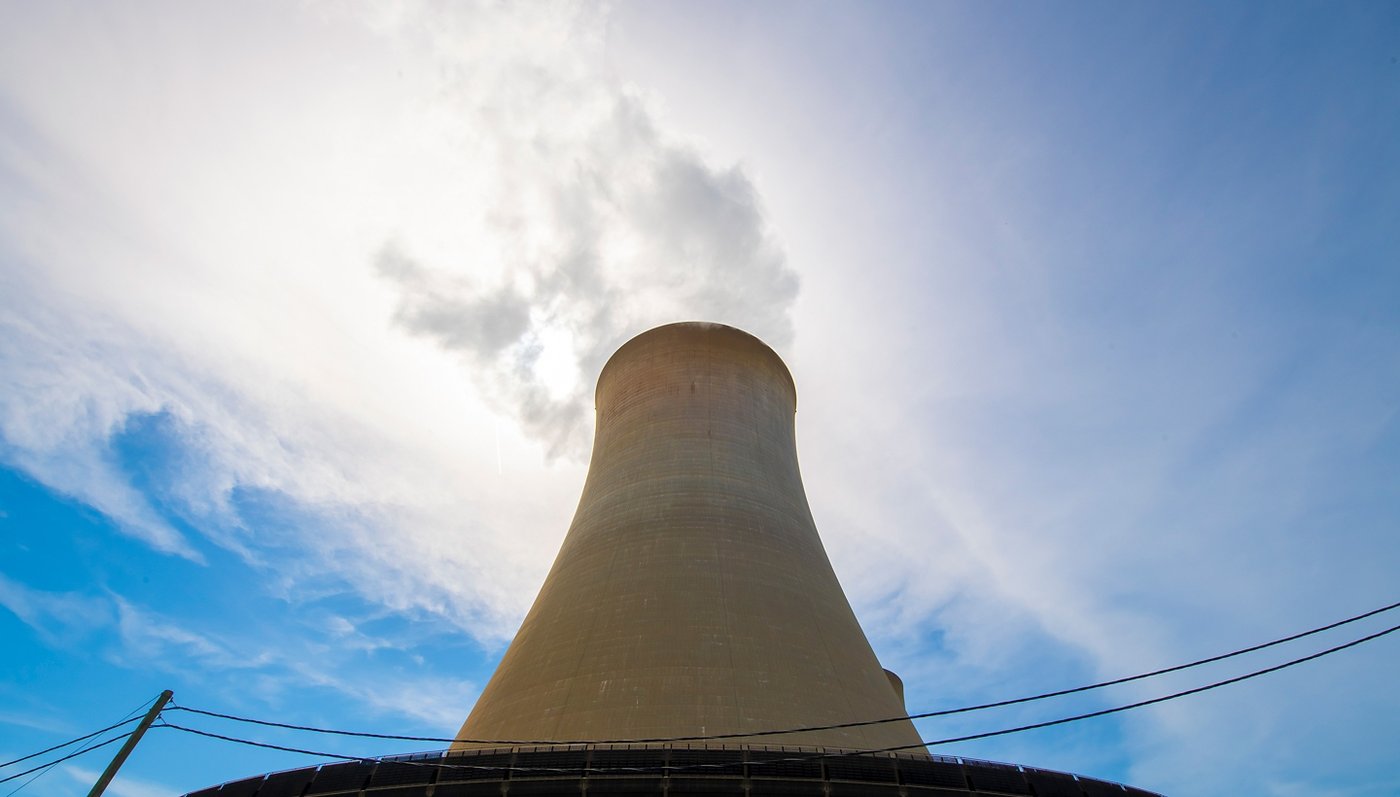
Google says it has locked in 3.6 gigawatts of nuclear power from Constellation Energy to help run its AI data centres, enough on paper to power millions of homes. The companies announced the deal on 6 October 2026, and it has since been covered by outlets from Reuters to Canary Media to POWER Magazine, with the numbers lining up consistently. The deal is real. But the "3.6 gigawatts" headline figure actually covers two very different agreements, and only one of them puts new power onto the grid.
What's genuinely new. Constellation has agreed to spend more than $4.3 billion upgrading turbines, steam generators and digital control systems at 11 existing reactors across six nuclear sites in Illinois, Pennsylvania and New Jersey. Trade press, including Nuclear Newswire, has named likely candidates such as Limerick in Pennsylvania and Salem in New Jersey, though Constellation itself hasn't confirmed the full site list. These "uprates" squeeze more output out of plants that are already running rather than building anything new, and they add 890 megawatts under a 20-year power purchase agreement with Google. The first extra megawatts are due on the grid by 2028, with the rest following by the early 2030s. That's a real, independently verifiable addition to US nuclear output, roughly equivalent to several small modular reactors.
What isn't new. The other 2,700 megawatts, which makes up close to three-quarters of the "3.6GW" headline, is a separate 15-year energy supply agreement for power Constellation's existing plants are already generating. Constellation's own description of this agreement is that it keeps "existing generation assets economically viable," not that it adds capacity. Independent coverage from Canary Media and the financial newsletter TIKR makes the same point: strip that portion out, and the genuinely new nuclear capacity in this deal is about a quarter of the number in the headlines.
The jobs and dollar figures hold up too. Constellation says the deal sustains about 4,400 existing jobs and creates roughly 7,200 construction jobs during the build-out, alongside the $4.3 billion in new investment. Those numbers come from Constellation's own press release and have been repeated consistently across independent outlets covering the deal, including POWER Magazine and Power Engineering, with no conflicting figures found.
The bottom line: this isn't a beat-up, but it is a headline doing more work than the deal itself. Google and Constellation really have signed a 20-year contract and a 15-year contract, and the dollar figures, job numbers and 2028 timeline all check out against independent sources. What doesn't check out is the implication that "3.6 gigawatts of nuclear power" means a huge wave of brand-new reactor output. Three-quarters of that figure is Google simply agreeing to keep buying from plants that were already switched on. The new power is real, it's just a quarter the size the headline suggests.