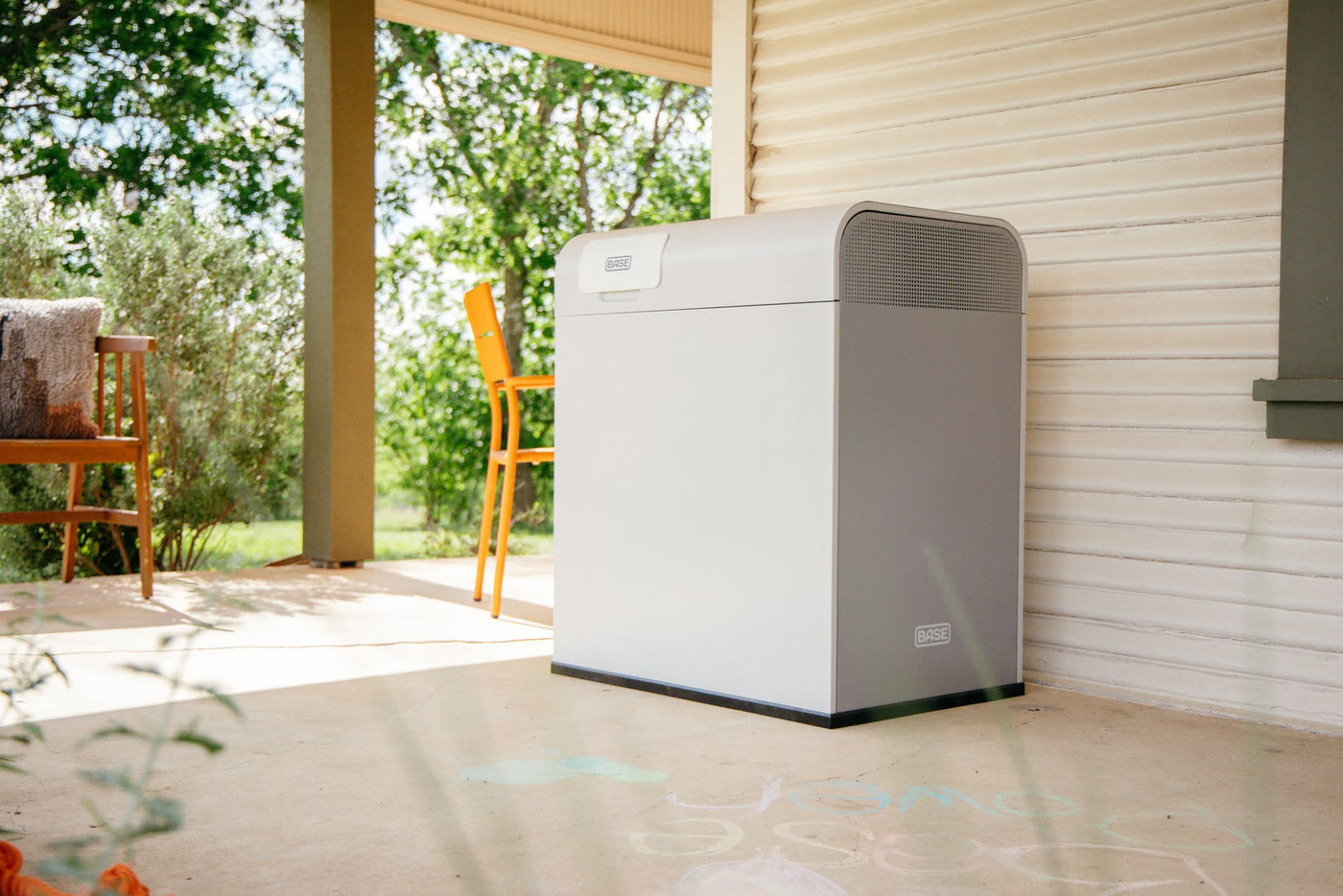
Central Georgia Electric Membership Corporation and Austin, Texas battery company Base Power announced on 13 October 2026 that they're putting a 50 megawatt fleet of residential batteries into homes across the co-op's 16-county territory between Atlanta and Macon. Members who sign up get a battery installed outside their home for a one-off $95 fee, no added monthly cost, and whole-home backup during outages. In return, Central Georgia EMC gets to decide when the fleet charges and discharges, and can dispatch it around the clock to shave peak demand and shift its own buying to cheaper hours. The headline numbers and the member terms check out against the companies' own release. A couple of the figures being used to sell the deal don't.
The deal itself is real and it's Base's first outside Texas. The official announcement, via North American Clean Energy, confirms the 50 MW program size, the $95 one-off member fee with no monthly charge, and a 2027 start date for installations. Base already runs similar programs with Austin Energy, El Paso Electric, CoServ, Farmers Electric Cooperative and Guadalupe Valley Electric Cooperative, all in Texas, so Central Georgia EMC genuinely is the company's first utility partner elsewhere in the country. Base owns, installs and maintains every battery for the life of the deal; the co-op remains the member's energy retailer and bills them at normal rates for what they use.
The battery count and the "36 hours" of backup are Base's own figures, not the co-op's. The release itself gives only the 50 MW headline number: it doesn't say how many batteries that is or how much storage it adds up to. The 2,500-battery and roughly 100 megawatt-hour figures, and Base's claim that a single Base Core battery can run a home for up to 36 hours, come from Base Power talking to trade outlet pv magazine USA (via ESS News) and EnergyTech, not from an independently measured test. Thirty-six hours assumes heavily reduced household energy use, and how much charge is actually sitting in a battery depends on when the co-op last drew on it, something neither the release nor the company's figures address.
The marketing comparisons go further than the release does. Base's own sign-up page for the program advertises the $95 install as "95% cheaper" than a roughly $13,000 figure it attributes to "typical market estimates" for a comparable backup system, without naming what that estimate covers or where it comes from. That's a company's own sales framing, not a figure Voltage Check could verify against an independent source, and readers comparing it to quotes from local installers may find it doesn't hold up evenly everywhere.
The bottom line: the deal is genuine, the size, fee and no-monthly-charge terms all check out against the official announcement, and this really is Base's first expansion outside Texas. What hasn't been independently verified is Base's own battery-count, storage-size and 36-hour backup figures, and its "95% cheaper" marketing comparison, both of which come from the company itself rather than the co-op's release.