Ford unveiled its cut-price electric pickup, the Fathom, on 27 October, and the headline that spread fastest wasn't the price tag. It was the claim that the truck can power a house during a blackout, or sell electricity back when prices spike, without the expensive add-on box that every other bidirectional EV has needed so far. One outlet ran with "the cheapest home generator you can drive." That's a punchy line, but it's worth separating what Ford actually said from what headline writers did with it.
What Ford is actually claiming. The Fathom starts at $28,350 before a $1,595 destination charge (so $29,945 out the door), with deliveries planned for 2027 and preorders opening early that year. Ford says the truck can supply more than 10kW of AC power to a home because the DC-to-AC inverter is built into the vehicle's own electrical hardware, rather than bolted on as a separate wall-mounted unit. Ford's director of grid and energy services, Dave McCreadie, and senior director of electrical hardware, Jiaqi Liang, both told Canary Media the inverter tech came from Auto Motive Power, a supplier Ford bought outright in 2023, and that designing it in from the start kept the added cost low. A University of Delaware researcher who studies vehicle-to-home systems, Willett Kempton, backed that up independently, estimating the inverter hardware would cost Ford as little as $200 to $300 to build in from scratch, versus much more if retrofitted.
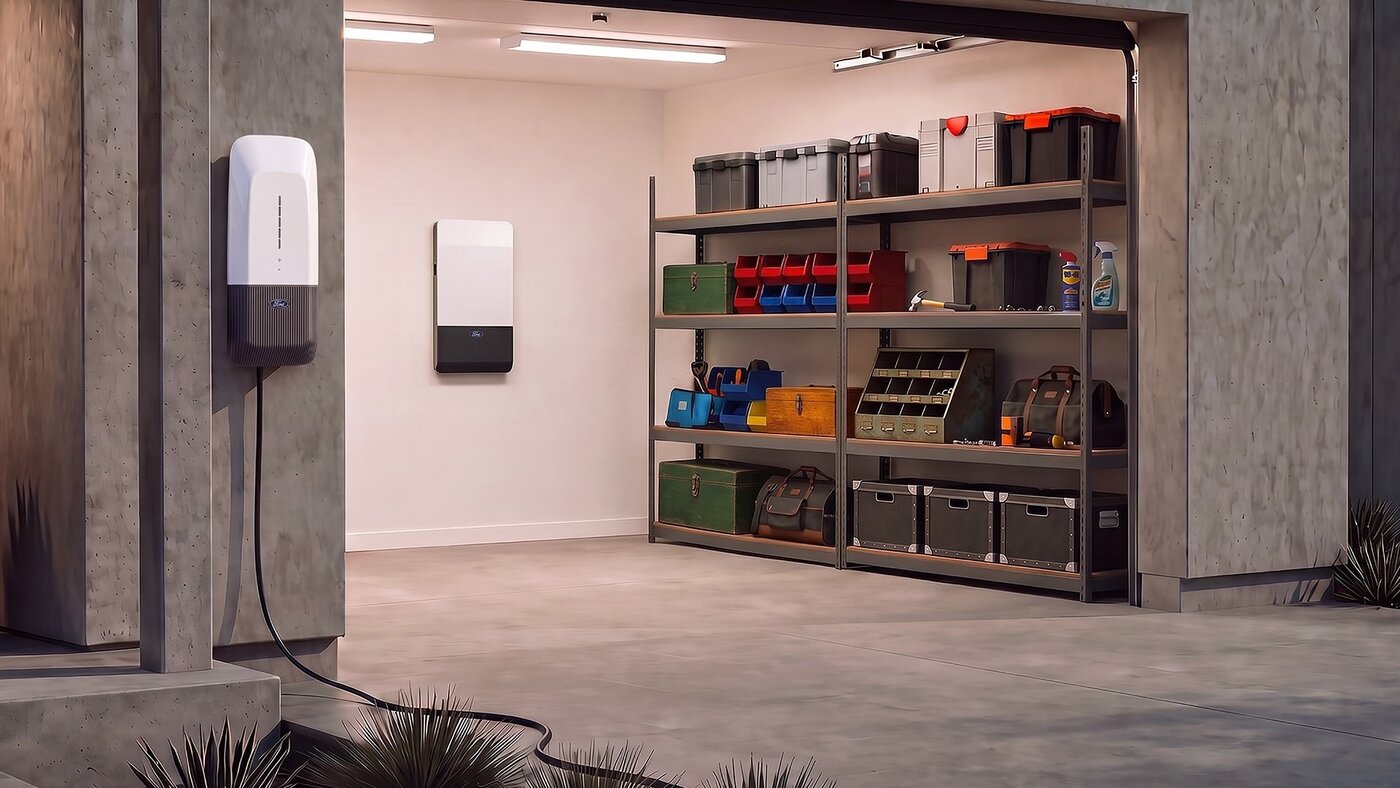
The cost comparison checks out, with the same caveat Ford itself gives. Ford's old Charge Station Pro, the bidirectional charger for the discontinued F-150 Lightning, cost about $1,300 to $1,310 on its own, and the full Lightning backup package (charger plus Home Integration System) ran to roughly $5,200. Ford says the Fathom's new Home Power Station will cost roughly half that of the old charger alone, and the Home Power Station plus Home Backup Power Panel together will cost about 60% less than the old bundle, putting it in the ballpark of $2,000. Those figures were reported consistently by Canary Media and InsideEVs, both citing Ford directly. The catch, which Ford says plainly rather than hides, is that none of this pricing is finalised yet, and every figure excludes installation, which can vary a lot depending on whether a home needs new conduit, trenching or a panel upgrade.
Where the "cheapest" framing gets ahead of the facts. CarScoops' own headline, not a quote from Ford, is where "cheapest home generator you can drive" comes from. Ford's materials describe the system as "a cleaner and quieter alternative to a traditional generator," not the cheapest one on the market, and no outlet puts a verified side-by-side dollar figure against every rival. GM's DC vehicle-to-home bundle is priced at $6,748, and Tesla's Cybertruck has offered AC-to-home power for over a year, though without a directly comparable price for its hardware alone. There's also a real-world catch that has nothing to do with Ford's engineering: only California and Maryland currently have utility rules for AC bidirectional charging outside pilot programs, so buyers elsewhere may own a truck capable of powering their house well before their local utility lets them actually do it. Ford says it's working with utilities including AEP, BC Hydro, Consumers Energy, Exelon and PG&E on common standards, but that work is still in progress.
The bottom line: Ford's core technical claim checks out. The built-in inverter, the over-10kW output and the roughly 60% cheaper hardware are all real, specific and sourced to Ford and independent reporting that lines up across three outlets. What doesn't check out is treating "cheapest home generator you can drive" as Ford's own promise. It's a headline, the pricing isn't locked in, installation costs are still unknown, and the truck won't be in anyone's garage until 2027 at the earliest.