The claim making the rounds this week is that Australia's EV charger rollout is falling further behind its exploding EV sales. It's a strong claim worth checking rather than taking on faith, and it's not coming from a single breathless press release. Two separate pieces of research, with no obvious connection to each other, land on the same conclusion from different angles.
The sales side is not in dispute. Battery-electric sales nearly tripled across the first half of 2026, going from 8.4 percent of new car sales in January to 23.4 percent by mid-year, according to figures from the Electric Vehicle Council and the Federal Chamber of Automotive Industries, cited in research by UTS and University of Queensland academics published via The Conversation in August. By July, more than a fifth of the 108,000-plus new cars sold that month were battery-electric, with Tesla and Polestar delivering over four times their July 2025 volumes and BYD up 70.5 percent year-on-year to become Australia's second-best-selling brand behind Toyota.
The charging side is where it gets checkable, and it holds up. A separate study, the HERE-SBD EV Index 2026 (HERE Technologies and SBD Automotive, combining market data with a survey of over 4,000 motorists across five countries), put Australia at an average of 24 electric vehicles per public charger in 2025, a ratio the report's authors called "considerably higher than typically expected" for a market at this stage of EV adoption. A HERE Technologies spokesperson told AAP that the record sales growth of the past six months wasn't even captured in that index yet, meaning the real ratio today is likely worse, not better.
And it's not spread evenly. Sixty percent of all public chargers in Australia are concentrated in Victoria and NSW, per the same HERE-SBD data. NSW, the ACT and Victoria ranked best for "EV readiness" in the index; Western Australia ranked last, Tasmania second-last. The UTS/Conversation research adds a reliability wrinkle on top of the raw numbers: one study found a single operator, Chargefox, controls 83 percent of Tasmania's public chargers and 58 percent of WA's, and separately flagged that overseas testing (a San Francisco study) found only 73 percent of public chargers actually worked when tested in person, against operator-claimed uptime of 95 to 98 percent. Australia's federal minimum standard for taxpayer-funded chargers is 98 percent uptime, but like most places, it relies on operators self-reporting rather than independent testing.
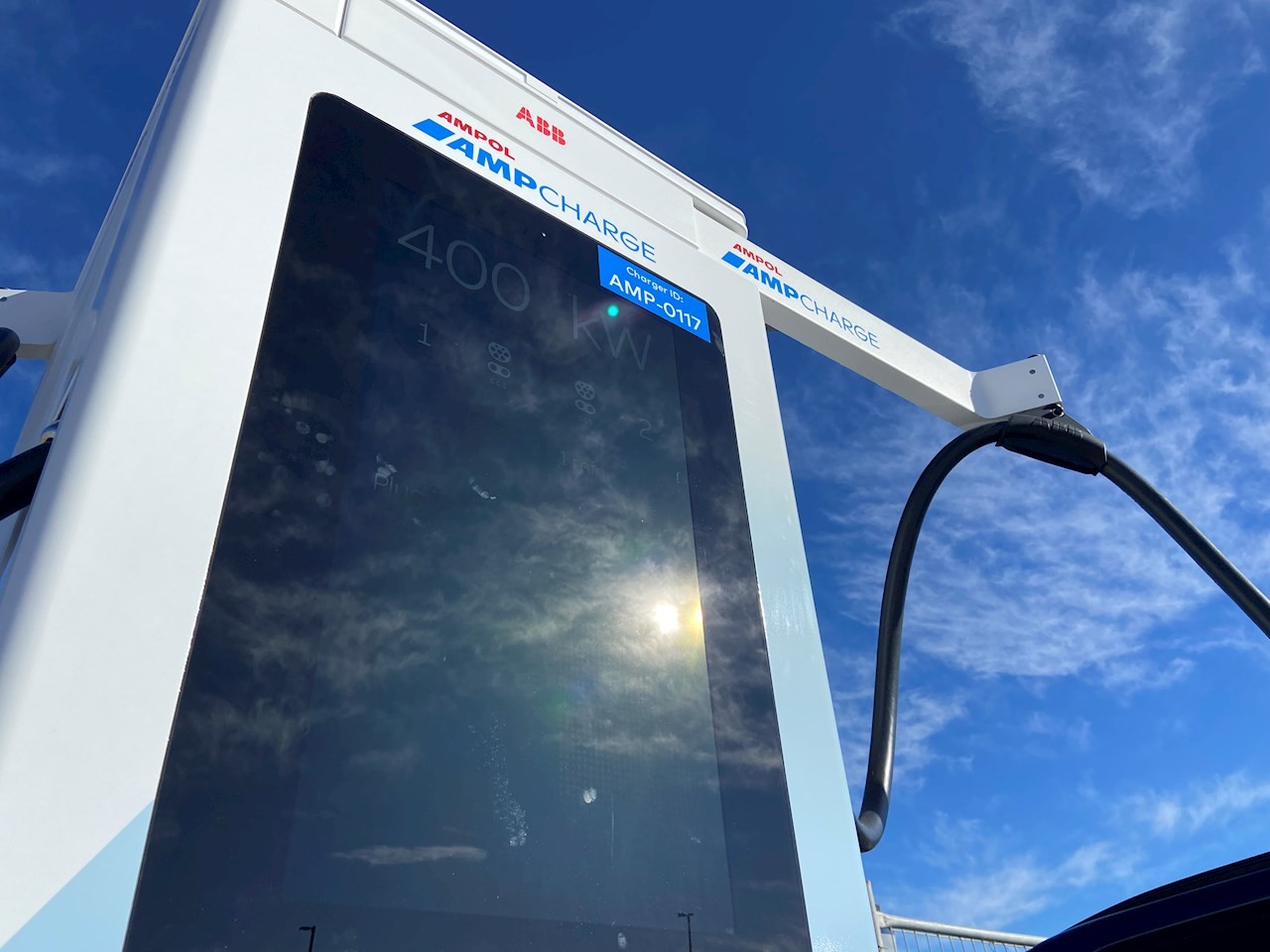
The bottom line: this one checks out. It isn't a beat-up. Industry is responding, Coles and Evie Networks are planning up to 30 supermarket fast-charger sites across Victoria and Queensland, Ampol has switched on its first 400kW chargers and is acquiring Evie Networks outright, BP is building a 24-bay hub at Melbourne Airport, but the pace of new EV buyers is currently outrunning the pace of new chargers going in the ground, and regional and outer-metro drivers in WA and Tasmania in particular are genuinely more exposed than the national averages suggest.